




Celebrating 200 Conversations








In this milestone 200th episode of Uncover the Human, Alex Cullimore and Cristina Amigoni reflect—with plenty of humor—on what they’ve learned after 200 conversations about authenticity. The big takeaway: authenticity isn’t a finish line, it’s a practice. It changes as you change, and it becomes a powerful way to protect your energy, reduce burnout, and show up more aligned in your work and relationships. They also share why the podcast exists in the first place: to make the workplace more human, so people can bring their full selves to what takes up such a huge portion of life.
Then the conversation gets real as two members of the Siamo team, Aaron Wilson and Abbay Robinson, describe what it feels like to work in a truly human-centric environment—where “humanity and performance aren’t opposites,” asking for help is safe, and hard conversations can happen without fear. Together they name the biggest barrier to authenticity at work: fear—fear of judgment, gossip, consequences, and the exhausting “performative” masks people wear to survive. If you’re craving a refreshing, honest take on what authentic leadership and psychological safety can actually look like (and why it matters), this episode is a warm, candid listen.
Credits: Raechel Sherwood for Original Score Composition.
Links:
YouTube Channel: Uncover The Human
Linkedin: https://www.linkedin.com/company/wearesiamo
Instagram: https://www.instagram.com/wearesiamo/
Facebook: https://www.facebook.com/WeAreSiamo
Website: https://www.wearesiamo.com/
00:00 - Opening On Authenticity
01:09 - Celebrating 200 Episodes
02:36 - Why We Started And Chose Authenticity
06:20 - Authenticity As Energy Management
09:50 - Podcast Roots And Pandemic Origins
14:10 - From Mission To Method At Work
18:25 - Team Joins: Abby And Aaron
23:05 - Finding A Human-Centric Workplace
28:15 - Fear, Safety, And Real Connection
33:20 - Humanity Fuels Performance
38:05 - Creativity Without Exhaustion
[INTRODUCTION]
"Abbay Robinson: It takes a lot of courage and trust to take off my armor, put down my shield, and let somebody know what I'm really thinking, because there's danger in letting that person in."
Alex Cullimore: Welcome to Uncover the Human, where every conversation revolves around enhancing all the connections in our lives.
Cristina Amigoni: Whether that's with our families, co-workers, or even ourselves.
Alex Cullimore: When we can be our authentic selves, magic happens.
Cristina Amigoni: This is Cristina Amigoni.
Alex Cullimore: And this is Alex Cullimore.
Cristina Amigoni & Alex Cullimore: Let’s dive in.
“Authenticity means freedom.”
“Authenticity means going with your gut.”
“Authenticity is bringing 100% of yourself, not just the parts you think people want to see, but all of you.”
“Being authentic means that you have integrity to yourself.”
“It's the way our intuition is whispering something deep-rooted and true.”
“Authenticity is when you truly know yourself. You remember and connect to who you were before others told you who you should be.”
“It's transparency, relatability. No frills, no makeup, just being.”
[INTERVIEW]
Alex Cullimore: Welcome back to a very special episode of Uncover the Human. We are here on our 200th episode. Welcome back, Cristina, and our guests, Abbay and Aaron.
Cristina Amigoni: I like to welcome back me as if I've never left.
Alex Cullimore: Yeah. Welcome back. After the long hiatus that we had from Cristina, I think we all remember the last seven episodes where I was just talking to myself in the void.
Abbay Robinson: That's been interesting.
Alex Cullimore: That might have just been me in the shower. It's all right.
Cristina Amigoni: We do have Abbay and Aaron, thank God, out here. So, welcome. Welcome to the two of you.
Aaron Wilson: Thank you.
Abbay Robinson: Thanks for having me.
Alex Cullimore: Yeah, it' be funny if I just wake up sometimes randomly in the night like, "Welcome back to this episode. Just me."
Cristina Amigoni: You could. Isn't that what the clips that we're supposed to be doing are all about?
Alex Cullimore: Aaron could talk about the frustration of dragging us to do what we're supposed to do later in episode.
Cristina Amigoni: Did you say why it's a special episode? And I already forgot it because I got on a tangent.
Alex Cullimore: Yeah. I said it's our 200th episode. Yeah.
Cristina Amigoni: Okay.
Alex Cullimore: Yeah. You were too busy thinking that you were back from the void.
Cristina Amigoni: Well, yeah. Yeah. It's 200 episodes, which is so weird, because it feels like 100 was yesterday. I don't know what happened to the last two years.
Abbay Robinson: Flew by.
Alex Cullimore: And as this intro shows, we haven't lost a step. We're totally mentally with it. All right.
Cristina Amigoni: We've lost our minds, but our listeners are used to that.
Alex Cullimore: Oh, man. So, what we wanted to do for this one is give some reflections on what the journey has been like, what we've learned about authenticity, both in this podcast and in our work lives and lives. And then we'd like to open it up a little bit to Aaron and Abbay to talk a little bit about what life in, hopefully, human-centric company is like. We did not bribe them to be here. These are volunteers.
Cristina Amigoni: Yes. And Nicole is here in spirit as well.
Alex Cullimore: Yeah. If you hear any singing, that's Nicole.
Cristina Amigoni: Yes.
Abbay Robinson: Happy to volunteer.
Aaron Wilson: Yeah.
Cristina Amigoni: Nicole didn't like being voluntold.
Alex Cullimore: Which is human-centially possible.
Cristina Amigoni: It is.
Alex Cullimore: Cristina, since you've just come back from the long vacation in the void, let's talk a little bit about what are your reflections? What have you learned about authenticity and its importance over the course of our 200 episodes doing this?
Cristina Amigoni: What have I learned about authenticity? That every episode is different. Part of the authenticity theme within the podcast that we chose when we decided to start a podcast, I think it definitely has run through every episode because of our guests and our conversations, and how we show up in them. And I think what I've learned is it's definitely a muscle. The more I do it, the easier that it gets and the more fun it gets to do. What have you learned?
Alex Cullimore: I think it was really good reflections. I like the first one particularly, that it's always different. Every episode's different. Every authenticity is different. All the definitions are slightly different. And I think that's actually how it feels to be authentic. You show up a little different every day. You are a changing person. It's not like you go find the finish line. You found you. You are now you until the end. It's just you continuing to find you and understanding what it is to be in alignment with yourself. And so, I think that ever-changing aspect of authenticity is one we've gotten to explore by doing this 200 times, but also one that is just a true portion of being authentic.
I also think that the more I think about it, the more authenticity is important because it's about your own energy preservation. And life, at the end of the day, I think, is ultimately a game of protecting and deciding how you use your energy. How do you get energy back when you need it? How do you use it? Where you want to use it? And how do you make sure you protect yourself when you're starting to lose it in whatever ways that can happen?
And authenticity is a huge, I think, tool to get into that. Because when you know yourself more authentically, you can more authentically connect to what's going to be energetically aligned for you. And how are you going to preserve that feeling of not being burnt out, of not being just tired, and someone else, and holding up the masks and the armor that we otherwise hold up?
Cristina Amigoni: Yeah, definitely. And we don't just show up authentically in the 200 episodes of a podcast, hopefully.
Alex Cullimore: No. No. I think any of our clients and anybody who's had to interact with us would agree it's pretty much the same.
Cristina Amigoni: Yes.
Alex Cullimore: This is teams calls and this is work calls. This is client calls. This is us.
Cristina Amigoni: Yes. I have a question for you on the podcast.
Alex Cullimore: Fire away.
Cristina Amigoni: Because authenticity was the theme. Do you remember why we wanted to start a podcast, and what we wanted to be about, and why we chose authenticity? I'm going to stack the questions for a while and then see if you can remember them.
Alex Cullimore: Do you have like four or five more you want to stack on before I start?
Cristina Amigoni: I'm sure they'll come up as you start talking.
Alex Cullimore: And also, how do you spell authenticity? And also, what does authenticity mean in different languages? And also, what are the cultural definitions that have changed through the centuries?
Cristina Amigoni: Yeah, now I forgot my first question. Why did we start the podcast? And why about authenticity? And why do we do it as a company? I just found another question.
Alex Cullimore: All right, I'm going to keep talking, and you just keep peppering with questions as you think about. All right. I think why we started the podcast? First of all, we always wanted to do a podcast. When we were starting our company, we were looking for lots of inspiration. We knew what we wanted to see change in the workplace. And so, we wanted to understand how other people were doing similar things. We wanted to understand the world of humans, humans at work, particularly. I think we'd both always been interested in that. But we got a chance as we were starting Siamo to really explore that. And podcasts were a huge portion of that learning curve because there's a lot of great thought leaders out there like Brene Brown, Adam Grant, Simon Sinek, people that you can learn a lot from on a podcast.
And we always wanted to be able to kind of have a similar voice in the space. We had strong opinions about what we thought should be happening in the workplace. And I think that led into why we chose authenticity. First of all, because we really don't like to be pigeon-holed into anything. And authenticity felt like it could capture enough things for us to talk about. And so, we picked authenticity so that we would be able to talk about that.
And we knew that that was a huge portion of what we wanted to see at work. And we wanted people to be able to access a little bit more of, because we would have these great relationships with people that were colleagues, and we'd enjoy them as people, and we'd slowly start to lose the thread of like, "Oh, they're getting crushed by the workplace. Why can't we have both? Why can't we be people and have the work that we are doing?" And so, I think those tied together. And then the final thing that really put the nail in the coffin was the global pandemic striking, and us having nothing to do but record things in our closets.
Cristina Amigoni: And yes, the first few ones were definitely my closet. I have the videos.
Alex Cullimore: What would you add to that? And what do you remember differently than my memory of that?
Cristina Amigoni: I remember more or less the same. I think that the goal, the mission was always the company's mission was why we started a company, which is to find ways to create human-centric workplaces so that people could show up as their best selves, as their true selves, as their authentic selves. And then actually have meaning in their work and not fall into the I'm not supposed to have fun at work. It's supposed to be miserable. Or that the answers to, "Hey, I'm here." That should be enough. You got a paycheck. Be thankful you have a job. We never thought that that was the way human life should be. We spend way too much time in our lives at work to feel that way.
What's the foundation? And the foundation is can we understand our own authenticity and create spaces for everybody else's authenticity. And then as that foundation, then you can move into now we can create a human-centric workplace, and human-centric systems, and policies, and change, and all those things. Somewhat similar to the book we wrote, which has the word authenticity in it.
Alex Cullimore: Yeah.
Abbay Robinson: In the title.
Cristina Amigoni: In the title. Exactly.
Alex Cullimore: The Authenticity Upgrade.
Cristina Amigoni: Yes.
Alex Cullimore: No. That's a really good way of putting it. I think that helps answer also your last question, which I do remember despite the stacking, which was why did we do this as a company? Why did we start this? And that was because it is tied in with the mission of our company.
And when we do this work in organizations, there's lots of discrete projects that we're working on. We're working on different ways to bring the human side of change. Make sure people are actually brought on in a human way through organizational change. That one ends up being its own type of work. When we talk about leadership workshops, when we talk about team cohesion workshops, these are all ways to bring that humanity to work. But we don't get to explore if we only kept it to that. We wouldn't get to explore what do other people do, how do we connect with other people who are in the space, and what are other ideas people can just get for free by going on to Spotify and listening to an episode.
And so, as a company, it made sense to kind of jump out and say, "Hey, here's another angle of how we can deliver on the mission. Here's a whole extra portion that we wouldn't immediately get to in our day-to-day client work," which is superhuman, super helpful. That's what we enjoy doing. But getting to do the podcast also augments what we're able to offer, and it allows people to see more ways to be human and allows us to get more ideas, meet more people, and find more people in the human authenticity workspace.
Cristina Amigoni: Yeah. Did you take a breath in that?
Alex Cullimore: I don't take breaths.
Cristina Amigoni: Authentic Alex doesn't breathe. Just talks in one very long sentence.
Alex Cullimore: Yeah. Until you started mentioning the actual breath portion, I didn't realize that –
Cristina Amigoni: You don't breathe?
Alex Cullimore: I don't, often. But actually, this is something I learned when swimming. Every time I swim, the first lap I take entirely underwater. And this is something I got used to doing. And apparently that has translated into breath capacity that results in endless sentences with no breaths, no breaks, and a waiting.
Cristina Amigoni: Yeah.
Abbay Robinson: Seems like an opportunity for a new practice.
Alex Cullimore: Yeah. When people say practice breathing, I go a very different way than most people. People are like, "Box breathing." I'm going to box breathe. I'm going to take pauses. I'm going to count to 10. I just wear myself out and just watch the oxygen meter deplete slowly. Everybody has their own practices, and that's authenticity. Damn it.
Cristina Amigoni: That is authenticity. So, we'll just going to have to accept you as you are.
Alex Cullimore: People that can see your voice tells it all.
Cristina Amigoni: All right. So, we do have guests here for a reason and not just our own amusement of watching us go randomly into tangents. Part of what we do with our clients, with everybody we work with, within the podcast, with our guests, we also are pretty big in doing it internally as a company. And so, trying it on first, see how it goes, hopefully not fail. And when we do fail, learn from that and figure out how to do it best. And so, we wanted to have Abbay and Aaron share what it's like to work in a hopefully human-centered company. That's our company.
Alex Cullimore: We're igoing to find out live.
Cristina Amigoni: I know. Exactly. We did not ask beforehand. We just asked them to be on.
Alex Cullimore: Also, this was their idea. They wanted to join and say this, which we loved and we're very glad for. But I do want to reiterate, we did not conscript them to do this.
Cristina Amigoni: Oh, there is no script. Yes. And then there's no approved answer.
Abbay Robinson: I did say I was happy to volunteer.
Alex Cullimore: Abbay, Aaron, what brought you guys to Siamo? What's it like? And do you feel like it's a human-centric workplace?
Cristina Amigoni: And who wants to go first?
Aaron Wilson: Oh, I mean, Abbay, would you like? I can certainly go.
Abbay Robinson: Sure, I can go either way. Aaron has two A's.
Cristina Amigoni: Let's go alphabetically.
Abbay Robinson: Yeah. Aaron goes first.
Aaron Wilson: I love it.
Cristina Amigoni: Yeah, we have a crazy proportion of A-starting people in our company. It is very confusing for Nicole and I.
Aaron Wilson: Mm-hmm. Yeah. Especially, I have to prepare myself because I'm always 'aa' at the top of the list of every webinar meeting list. And so, I'm happy to be called out. But here in this time, here, today, I'm volunteering.
Cristina Amigoni: AA, go on.
Aaron Wilson: AA, go on. Aaron, go on. Yeah. Honestly, thank you, first of all, for all the words around authenticity. Because, fundamentally, it's really why I came to Siamo. Joining Siamo felt like stepping into a place where who I am and how I work can finally coexist.
I have worked for the last 12 years in traditional consulting by that very performance-driven-focused. That's all that mattered. Historically, I'm trained in change management. I'm also trained as a coach and felt coaching was incompatible in the traditional consulting model at times, with how companies manage change and how they approach change management in general.
And so I really wanted to be part of a company that was where humanity and performance aren't opposites, where we are focusing on humans and teams, where I wanted the opportunity to integrate coaching and change into real transformation work by leading with a coaching-first approach, a human-first approach, to create that space of authenticity where people feel that sense of safety and other things to really live in their most authentic, aligned self.
And so, for me, my intent, what drew me to Siamo was really to finally come home with a human-first lens. So, it wasn't an afterthought, to where I'm feeling aligned to my values on a daily basis. And so, I've really been given the opportunity to join Siamo to really connect with that, and it's really helped me do that.
Alex Cullimore: I'm very glad we're recording that. That's going to go on our website.
Cristina Amigoni: Yeah, I know. There were so many good nuggets.
Aaron Wilson: Oh, stop. Humanity is not the opposite.
Cristina Amigoni: It almost felt like it was scripted.
Aaron Wilson: No, it wasn't. It was not.
Cristina Amigoni: We know it's not because –
Abbay Robinson: I'll be sorting that one out for later.
Cristina Amigoni: Yes. We definitely knew it wasn't. And we could tell it wasn't because of the energy behind it. But there were so many great nuggets in there. Humanity and performance don't need to be opposite. What a concept.
Aaron Wilson: They don't. Yeah, what a concept.
Alex Cullimore: Humanity is not the opposite of performance.
Cristina Amigoni: Oh my god.
Aaron Wilson: Yeah. Exactly. And, fundamentally, that is what caused so much friction for me personally just to show up every day and to give my best. And it shows up in how my manager managed me. It showed up in how I engaged teams. It showed up in how I showed up and initiated conversation on new topics and sold an idea. I mean, it permeated everything. So, anyway.
Cristina Amigoni: Yeah. A follow-up question for you. You said you joined because you wanted to feel this way. Do you feel that way? Now we really get on the hot seat for Alex and I.
Alex Cullimore: We can turn our cameras off. It's just easier.
Aaron Wilson: No, no, it's a great question. I said I wanted to feel that way because I just wasn't. I was completely burned out in my role. I had gotten to a point where if I did not pivot significantly, it would have mentally caused me serious distress to where my health would have been a concern. There was that.
But I think beyond that, the bigger journey that I have been on for a long time is to really live in alignment with my values and to be the most authentic version of myself. And I've known you and Alex for years since we went to coaching school together. You and I, Cristina, coaching school together in 2019. And I have seen the evolution of what Siamo has become over the years and have always wanted to be connected in some way to that. And fortunately, I've been able to have the opportunity to help drive how we message to the world and what we give and how we serve. And it's just such a great place to be.
Cristina Amigoni: Awesome. Your bonus will come in the mail.
Abbay Robinson: I think maybe AB should have gone first, having to follow that up. I don't know.
Cristina Amigoni: Well, AB, you're on the hot seat.
Abbay Robinson: You know, I've been thinking about this since y'all first talked about the 200th episode and my coming on here and what you wanted to ask me. And there's so many different ways I could approach it, but the thing that's coming to mind right now is it is spiritual. I don't know how it happened. We've said that it was a whisper from the universe, but I don't believe in coincidences. The way that I found Siamo is inexplicable, and I'm so grateful.
Alex Cullimore: Those who don't know, what's the story that got you into –
Aaron Wilson: I don't even really know.
Abbay Robinson: Well, the complete story –
Cristina Amigoni: Yeah, we've got time.
Abbay Robinson: It might take us a minute. But the short version is that Cristina and I have been friends since I was 17, she was 18. We met in college. And then I'd say around the turn of the century, we lost touch, went in different directions. I had a family, and she did the same and was building her career. And after, it would seem, 23 years, I found her on Instagram and reached out. And just like that, it seems to me, it's like we were never apart.
When the time came for me to find something in the workforce, I'd been out of the workforce for over 15 years, Cristina said, "Hey, come over here." And I thought, "How is this going to work? I don't even know what I'm doing."
Cristina Amigoni: We don't know what we're doing most of the time. It's okay.
Abbay Robinson: Which I'm grateful every time you say that because I feel better.
Alex Cullimore: I think the listeners know.
Abbay Robinson: But anyway, my entire life, I think, I have spent trying to be my authentic self, which can be confusing. I read an article which I could never find again about how your authentic self is not you're mad, you're just going to show up mad.
Cristina Amigoni: It's not.
Abbay Robinson: No. It's more about who you really are on a consistent basis. Yes, you're allowed to be mad, of course, but you can't go pitch a hissy fit and say, "Oh, well, I was just being authentic." If that makes any sense.
So, my whole life, I've been trying to figure out who I am, how to be authentic. Honesty is one of my biggest values. I want to be a person of integrity. I make agreements, and I keep them. And for me, those are part of my authentic self. And the danger that I have fallen into over the course of my life is to be different things to different people or a different person in different circumstances.
And I think I finally learned how to consistently be myself and show up authentically wherever I am to whoever is there. And I never would have predicted that I would find a workplace where I could do that. I would say, absolutely, Siamo is modeling what it's teaching, and that's a gift to me.
Cristina Amigoni: That's both heartwarming and heartbreaking. Heartwarming that we are in integrity with ourselves. We are eating our own dog food, drinking our own Kool-Aid, whatever all those expressions are.
Aaron Wilson: That metaphor will bring us all back to earth real quick.
Abbay Robinson: Maybe just the Kool-Aid.
Cristina Amigoni: Drinking Kool-Aid, walking the talk, talking the walk, all of them. And heartbreaking. It's so rare. It seems to be so rare. We see it with the people we work with, with our clients, and it's so rare. It's a crime.
Abbay Robinson: Well, that's why I made up a tagline for you guys, and it's something like, "Siamo, making the world more human one person at a time," or something like that.
Alex Cullimore: We're also taking that one and putting it on our website.
Cristina Amigoni: Yes. Exactly. Yes.
Abbay Robinson: Making the workforce more human. Yeah.
Cristina Amigoni: Yeah.
Aaron Wilson: Yeah. I mean, you struck a chord with me, Abbay. What I'm hearing you saying and what it means for me personally as well is tell yourself the truth gently but directly, and even when it's uncomfortable. When I'm learning to really hold myself to account on showing up the most human, most unfiltered, aligned version of myself.
And I hear you saying anchoring yourself in that the honesty and the clarity that you're bringing to your sense of self and the emotional presence that you're sitting with as you're talking about it resonated with me. I just wanted to share that.
Abbay Robinson: Well, I just remember really well before I became a stay-at-home mother, that I had a job at a particular bank. And it was in the early 2000s when there were a lot of acquisitions, a lot of mergers, and kind of being terrified. I don't think I can do another merger. And Good to Great came out, the book.
Everybody was reading it. All the leadership was preaching it. And at the same time, they were touting this book, management was requiring us to reach increasingly ridiculous metrics, and it was so hypocritical and disturbing to me. It was rewarding the top producers, which should be rewarded, but not shepherding other people so that they too could do that work. I mean, it's complex. But I just remember I don't want to be in a workplace like this. I don't want to be in an industry like this. Another reason to be grateful for Siamo.
Cristina Amigoni: Yeah.
Alex Cullimore: It's nice to know that there are spaces for it. I think we've been in it long enough now we've forgotten how rare it can be, and we try and bring it to wherever we go. So, hopefully, it's helping spread it a little bit. But I'm curious from both of you. And AB, if you want to go first this time, you're welcome to. What are things that get in the way of being authentic or finding human centricity at work or in life?
Abbay Robinson: I think fear. I think fear is a big one. Just thinking about, I said earlier, where you can meet somebody. It takes a lot of courage and trust to take off my armor, put down my shield, and let somebody know what I'm really thinking because there's danger in letting that person in. They might gossip, they might judge, might get me in trouble with my boss. And I think it's muscle. We have to slowly build relationships with people we can trust and exercise this vulnerability. Yeah, for sure, fear would be a demotivator for me, or paranoia.
Aaron Wilson: Yeah. And an extension of that, Abbay, I would say, and to answer your question, Alex, I think the extension is the fear that is prevalent inhibits the connection that we all need to have in terms of having those conversations that need to feel sort of mutually beneficial for both involved, say.
And so I think, for me, it's really about the performative aspect, which is tied to the fear. There's always this need to perform to posture yourself in a way that makes others be influenced in the way that you intend, whatever that means in whatever context. And so, I think that's the challenge. I think that's where you're working against your nature as a human. And that's certainly one of the reasons why I came to Siamo is to work with the nature of being human. It's a challenge in organizations to get there.
Abbay Robinson: If you're in a culture that doesn't allow – weakness isn't the word but asking for help. Are you ever going to get help? Everybody's trying to muscle through and get the next paycheck and then get their next promotion. And if you're in a silo, I'm making up this about my own past experience that it's still true now, it's really hard to get anything done. But whatever you're supposed to do, to me, if you're working that way, you're missing out on all these people who are right with you, probably doing the same things who could support you, and you could support them.
Cristina Amigoni: Well, and you're missing out on you doing it better.
Abbay Robinson: Yeah.
Cristina Amigoni: Doing it alone. We don't do it better. We see it all the time. It's like it is so obvious when something has been done by one person in the silo of like, "I just need to check off the list. Check off the list. Task on the list. Check it off." And the receiving end, it's like, "Okay, you checked it off." But are you getting the results you wanted? Probably not.
Abbay Robinson: Well, I can say too that that's something about Siamo. I'm not afraid to ask for help. I'm not afraid to say, "I have no idea what you're talking about." I have never showed up in a workplace and not felt like I could do that with any one of y'all. I mean, there might have been somewhere that I worked before that I thought I could ask that person, because that person had shown that they were safe. But you all have worked really hard. We all have worked really hard to establish a psychologically safe environment.
Cristina Amigoni: Well, you talked about humanity and performance can coexist. And I would actually go further and say humanity is actually the cornerstone to high performance. And so if you think about the performance part, how has the human aspect of working in a place where you can be authentic, you can ask for help, you feel safe? How has that impacted the performance?
Aaron Wilson: I think it's been able to allow me to reconnect with my own voice to where I can show people my own truth about what I can model. I can show people my own trip by modeling on my own in a safe environment and learn and be okay with not having all the answers. And that has provided me with the space to be able to be more creative and to not operate on fear, and to be willing to take a risk of initiating in areas where I previously wouldn't, and have the support consistently is what we create here.
And so, I have felt significantly engaged in – I use these words authentically because it's true. To be able to translate our values and how we show up internally and externally. Because that's what I'm working on right now from how do we get our messaging out standpoint. That has really helped me to – I've really understood the need to lean into my strengths around building bridges between you and Alex to draw out the insight, the action, the connections that we need to make in order to make this machine run to really expand what we're all about here at Siamo. And I think that's been really enabling for me to have just this connection with my work.
Alex Cullimore: That's great. You guys are both showcasing, and not just because you volunteered to be on this. You're both showcasing why you make great fits for Siamo. And you guys have been great additions to everything in this team. First of all, you've got a lot of openness and curiosity and vulnerability. That's a good explanation of what helps us all keep that psychologically safe environment.
You both cut straight to the core of what it feels like. I would agree that fear is the root of what ends up holding us back. And it's expressed in different ways. It can be expressed as anger. It can be expressed as stress. It can be expressed as other things. But that fear is generally the core issue behind our own blocks, behind company blocks, behind team blocks, behind relationship blocks. There's some level of fear driving it. And your ability to get down to the core of that is great.
That's kind of why we started Siamo to talk about humans. We wanted to get to the more abstract core of what we see as the problems. And you guys both did a great job of identifying the core of why that ties to performance. And Aaron, you mentioned it's about that fear creates this performativity, performance, this feeling of needing to be performative. And I think that is an unfortunate encapsulation of a lot of workplaces where fear drives us to perform in ways that burn us out. We're too afraid not to burn out. And that's a hard place to be. That's a hard place to stay.
And I think you have both hit on the idea that safety is a great way out of that. And it takes that vulnerability and that courage to step out and do it. You guys have both done incredible jobs with that within our work at Siamo, but also right here in this conversation.
Cristina Amigoni: Yeah.
Abbay Robinson: Thanks, Alex.
Aaron Wilson: Yeah. Thanks, Alex. And can I add? Absolutely, I would say too that there is this – when you talk about performance and the performative nature, it's exhausting. And in this exhaustion, you're scrambling to get out of it. And you're like, "What podcast can I listen to? What tool can I find? What knowledge can I garner to help me get out of this hole that always seems to be falling? I fall into, rather. And I don't feel that here. There's no exhaustion there.
And like I said earlier, it just opens up the space for creativity, authenticity, being able to really engage in the work that matters, that's tied to what we do here. And I just think it's – yeah, it's obvious that I'm excited about what we do here. It's been a long time coming for me, 12 years, for me to feel the way I feel right now.
Cristina Amigoni: I'm speechless.
Aaron Wilson: Kind of speechless.
Alex Cullimore: That's a great way of describing it. That exhaustion, is it?
Cristina Amigoni: Yes. It's that exhaustion. Yeah. And if I think about, first of all, your performance from an individual point of view and everything you've described, both of you but, as a performance from a business perspective, from an organizational perspective, which is what a lot of workplaces and companies get stuck on. It's not separate, as Aaron brought up from the beginning, because we see the results. We're doing things, thanks to the two of you and Nicole, that we could only dream of.
These were things that I am sure I have sent in a text message at some ungodly morning hour to Alex multiple times. And they've always been like, "We need to do this, and this, and this, and this, and then this and this." And there was always limited. With just the two of us, it was always limited to what we could actually accomplish. We would never get to all these things. And now we're doing them, and we're seeing them getting done and building over on each other and on top of each other new things. And none of that as a company would be possible. The success that we've had wouldn't be possible.
Abbay Robinson: I find that so hard to believe, but I also think it deserves the celebratory dance or something.
Alex Cullimore: That is 100% accurate. Not only do I have the receipts on the text messages that I have received, I also agree that there's just a significant change in what we do. Cristina and I have done a lot of work to help people understand how they work in companies, and it's always really fun to bring that to companies. But that always accompanies some self-reflection. And when it was the two of us, we knew where our deficiencies, let's say, lied, or where we were less inspired to finish things. We had lots of ideas. We have lots of discerned ideas. We just weren't bringing everything to life. And even if we had the energy to do so, we often had other things that also had to get done.
Not only have you guys come up and helped bring those things to life. You guys have all found ways to work with us, which has been really wild and hilarious to see. And I don't mean hilarious in a bad way. It's great. Sometimes I feel like overly seen. You guys do a great job of anticipating how to work with us, which is, I think, maybe not easy. But you guys do a great job. You find ways to get us to get through these things. You find creative ways to keep pushing things forward. And to that end, there's some magic that has created a lot of those things that were on the shelf are starting to come to life. And it's really fun to see. And it's absolutely credit to you guys and Nicole, our unsung hero.
Abbay Robinson: We miss you, Nicole. We wish you were here.
Cristina Amigoni: She's here. She's always here.
Aaron Wilson: Yeah. If I can build on that, Alex, I would say, is the only way that we can anticipate you and to be able to bridge those unexecuted ideas to reality is your and Cristina's willingness to be vulnerable and open about where your strengths lie, where you need support. And you communicate those regularly.
Abbay Robinson: Agreed.
Aaron Wilson: What you don't know, but what you can learn. All that stuff. Yeah.
Cristina Amigoni: Well, we're not willing to actually try. And we were like, "Okay, I'm not comfortable with that, but I'll do it." And some things, it's like, "No, I'm never going to do that. Let's figure out another way."
Aaron Wilson: That's exactly right.
Abbay Robinson: I think we're better together.
Aaron Wilson: And, I mean, it just gives us the map to operate in. It really helps. Because it just doesn't leave it up to interpretation. I mean, that is what helps me be the best I can be from an enablement perspective, because how do I know what to look for and to support you on if you're not telling me directionally how I need to move? I think you both have been able to help us plug in easier in that way, too. It's a love fest, everybody.
Abbay Robinson: And to that end, it's not always easy. And I think that one of the great things that I've experienced is being able to have hard conversations. It's not just boss, employee, one up, one down. It's human-to-human interaction. Well, what is the real issue? How can we address it? Taking responsibility. The boss takes responsibility for him or herself. And it's an incredibly refreshing change for me in my life.
Alex Cullimore: We tell them about the new performance review that we have going on. Make sure the responsibility gets pushed to the employees. Let's do this. We have an exciting announcement to make. No, I'm kidding.
Cristina Amigoni: We're going to end up with a different type of hiatus here from me if there's a whole performance review process.
Alex Cullimore: Oh, I'd cancel myself.
Abbay Robinson: Say it ain't so.
Cristina Amigoni: From episode 201 on, it'll be either just Alex or just Cristina. One of the two will not have made it through.
Alex Cullimore: Change the name of the podcast to Rambling Thoughts.
Cristina Amigoni: This brilliant idea about having a performance review process.
Alex Cullimore: Yeah. No, that's not going to happen. That was not one on the shelves. Sorry.
Cristina Amigoni: No.
Alex Cullimore: That has never been represented in any of the late-night text messages or early morning text messages, depending on how you look at it. Well, thank you, guys, so much for stepping in and stepping up and showing what your experience has been in this. I'm blown away. I'm glad that this has been working out for you guys. I'm glad you guys have been really incredibly helpful. And it's really exciting to have this conversation with you to see what that is for you guys. And we're of course always here to continue to have that conversation. But hopefully this helps identify for some people what human-centric looks like, why we keep talking about it, why it's all over our website, and what we work to try and deliver.
Abbay Robinson: You, too.
Cristina Amigoni: And why it matters and why it will help your organization, and your teams, and your people.
Abbay Robinson: You can have it, too. It's not just for us.
Cristina Amigoni: Yes.
Alex Cullimore: That's the fun part about what we get to do. We spread it like a virus.
Cristina Amigoni: Yes. If only it were that fast.
Alex Cullimore: A new pandemic.
Cristina Amigoni: We can figure it out.
Alex Cullimore: It's like one you come too slowly.
Cristina Amigoni: I'm pretty sure we've had a few of our clients actually say this. If you could bottle this up and just spread it, the world would be a much better place.
Abbay Robinson: Yes, absolutely.
Alex Cullimore: I think my favorite quote is from Becca. She's like, "I now see everything from a person-first point of view. And I thank/blame you guys for that."
Cristina Amigoni: Yes, that's definitely one of the best quotes. All right, so we always ask our guests to tell us what their definition of authenticity is. It's your turn. And you can choose whether you want to go alphabetically or reverse alphabet, like our graduation, Abbay. That was excruciatingly painful for me as an A who always goes first in last names, and I was like the third to last in a freezing May day with little ballerinas and a summer dress on. Good God.
Abbay Robinson: That's a memory.
Cristina Amigoni: Yes.
Abbay Robinson: Well, I think I gave my definition earlier, but the Abbay version is what you see is what you get.
Aaron Wilson: What you see is what you get, so others feel safe to do the same. Yeah?
Cristina Amigoni: Yes. Yes.
Alex Cullimore: Abbay, I was totally joking about having to keep it to 10 words. That was a great 10 words.
Cristina Amigoni: You count them.
Alex Cullimore: No, it's just less than 10.
Cristina Amigoni: What you see is what you get. That's less than 10. Yeah.
Aaron Wilson: I won't be able to get within 10. But what I will say is –
Cristina Amigoni: No, you don't have to.
Aaron Wilson: I mentioned this earlier, and I believe it truly is, that the most human, the most unfiltered, the most aligned version of myself. Aligned version meaning aligned to the core values that I espouse and I live by, which is connection, perseverance, independence. What else? Mentorship, and authenticity, which is the five. I know I have three, Cristina, but I have five. I can't get it down to three because they're all huge.
Cristina Amigoni: Oh, that's fine. You're going to have as many as you remember. I can't remember more than three.
Aaron Wilson: Oh, well. And, lately, because I'm so – as I've said, today is like making such a huge shift. It's something that's a top of mind for me daily. Hopefully, that's me. That's my authenticity.
Cristina Amigoni: Beautiful.
Alex Cullimore: Great.
Cristina Amigoni: Well, thank you both.
Abbay Robinson: Thank you.
Aaron Wilson: No, it's been a pleasure. Thank you.
Abbay Robinson: This is so fun to be here.
Cristina Amigoni: Yes. To infinity and beyond.
Aaron Wilson: Yes.
Alex Cullimore: Sorry about that, guys.
Cristina Amigoni: That's from Toy Story, isn't it?
Abbay Robinson: Yes.
Cristina Amigoni: Okay.
Alex Cullimore: Pixar, which was bought up by Disney, right?
Cristina Amigoni: Yes, it was bought. Yes. All right. Well, thank you for listening.
Alex Cullimore: Thank you, everybody.
Thanks so much for listening to Uncover the Human. We are Siamo. That is the company that sponsors and created this podcast. And if you'd like to reach out to us further, reach out with any questions or to be on the podcast, please reach out to podcast@wearesiamo.com. Or you can find us on Instagram. Our handle is wearesiamo. Or you can go to wearesiamo.com and check us out there. Or I suppose, Cristina, you and I have LinkedIn as well. People could find us anywhere.
Cristina Amigoni: Yes, we do have LinkedIn. Yes. Yeah. And we'd like to thank Abbay Robinson for producing our podcast and making sure that they actually reach all of you, and Rachel Sherwood for the wonderful score.
Alex Cullimore: Thank you, guys, so much for listening. Tune in next time.
Cristina Amigoni: Thank you.
[END]
Girl Friday
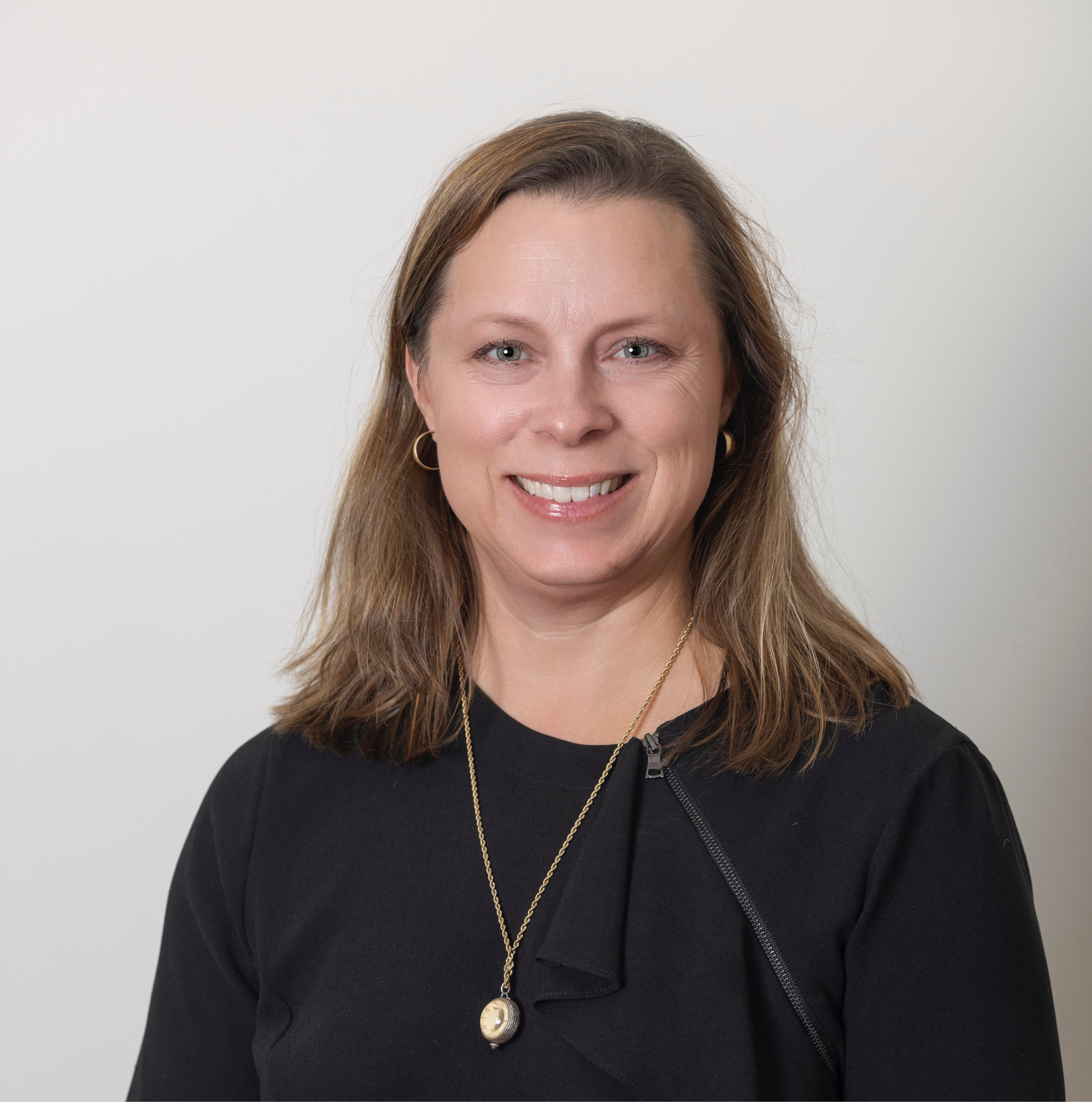
Abbay was born in Memphis, TN, and considers herself a lifelong Memphian - apart from a decade spent gallivanting around the universe. She attended Colorado College and completed her Bachelor' degree in Art History. Following adventures ranging from teaching English in Italy to wrangling horses in Wyoming to administering a local nonprofit, she settled down and had three beautiful kids. For the last twenty years, Abbay has been focused on raising Warren, Eloise, and John T. along with providing administrative support to various companies along the way. She has also volunteered for causes directly related to her children such as their schools, church, Girl Scouts, and Cub Scouts. In 2025, Abbay joined the Siamo team as their Girl Friday - a position supporting a wide range of administrative projects and other duties as assigned. Abbay is enjoying this new professional chapter as she helps launch her children into the next phase of their lives.
Change Coach
Aaron Wilson is based in Denver, Colorado. He works with people and organizations as they navigate change.
Drawing on experience in organizational change management and professional coaching, Aaron supports leaders and teams by helping them slow down, understand what’s influencing their reactions, and move forward with greater clarity and intention—foundations for leading themselves and working together more effectively.
His personal pursuits include spiritual and creative practices, spending time outdoors, and adventuring with his German Shepherd, Atlas.
