
 RSS Feed
 Apple Podcasts
 Spotify
 Amazon Music
 Overcast
 Castro
 PocketCasts
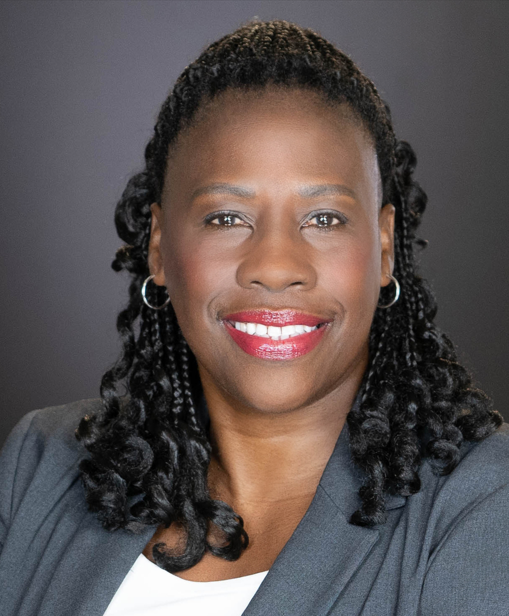
 Stop Performing And Start Leading with Renee Stewart

There's a difference between performing leadership and actually practicing it. In this episode of Uncover the Human, we sat down with executive leadership coach Renee Stewart to explore what that distinction really looks like in practice — and why the cost of performative leadership doesn't show up immediately, but always shows up eventually. Renee shares four intentional shifts leaders can make right now: moving from control to connection, from image to impact, from having all the answers to...
There's a difference between performing leadership and actually practicing it. In this episode of Uncover the Human, we sat down with executive leadership coach Renee Stewart to explore what that distinction really looks like in practice — and why the cost of performative leadership doesn't show up immediately, but always shows up eventually. Renee shares four intentional shifts leaders can make right now: moving from control to connection, from image to impact, from having all the answers to building awareness, and from silence to safety.
We also get into the role of energy, body language, and what it means to be the culture — not just set it. Renee brings 20+ years of HR and coaching experience, a love of candid conversation, and a few new acronyms we definitely didn't plan (you'll have to listen for those). If you've ever wondered whether your team is disengaging and why, this episode is worth your time.
Credits: Raechel Sherwood for Original Score Composition.
Links:
YouTube Channel: Uncover The Human
Linkedin: https://www.linkedin.com/company/wearesiamo
Instagram: https://www.instagram.com/wearesiamo/
Facebook: https://www.facebook.com/WeAreSiamo
Website: https://www.wearesiamo.com/
00:00 - Real Leadership Starts With Humanity
01:17 - Meet Renee Stewart
03:47 - Performing Versus Practicing Leadership
09:41 - Culture Is What Leaders Model
17:12 - Four Small Shifts That Matter
20:01 - Human Leadership In The AI Age
29:24 - Why Performative Leadership Persists
36:44 - Read The Room Better
38:38 - Manager Versus Leader Mindset
39:51 - Energy Awareness As A Leadership Tool
49:50 - Where To Find Renee
52:07 - Closing Credits And How To Connect
[INTRODUCTION]
"Renee Stewart: Your team doesn't need perfection. They don't need you to have all the answers. They need you to be real enough to build that trust and strong enough to lead with it."
Alex Cullimore: Hello, Christina.
Cristina Amigoni: Hello.
Alex Cullimore: We just had our guest, Renee Stewart, on, which was excellent. This is somebody who went through iPEC, but we didn't find through a different iPEC person. This is really an oddity. A rarity in the world.
Cristina Amigoni: It is a rarity. Yes. We're now expanding in the iPEC world in a way that we just find people without introductions through iPEC. Introductions, yes, but not through iPEC.
Alex Cullimore: Yeah, this was a great conversation though. She does such a great job of distilling so many of the things we talk about on the show. What is human leadership? What does that look like? Why is it advantageous? And what are the shifts that you can make to get there? It's just action-packed as far as what people would need to become, as she calls it, practicing leaders rather than performing leaders.
Cristina Amigoni: Yes. Yes. And we got two new acronyms. It's a good one to listen to.
Alex Cullimore: Yeah. Discovered live.
Cristina Amigoni: Yes. You can see the gears happening in Alex's head in the moment.
Alex Cullimore: It's where most of my life goes.
Cristina Amigoni: So, yes, enjoy.
Alex Cullimore: Enjoy.
[EPISODE]
Alex Cullimore: Welcome back to another episode of Uncover the Human. We are joined today by our guest, Renee Stewart. Welcome to the podcast, Renee.
Renee Stewart: Thank you for having me. Welcome, Renee. And we know you're from Sharon. So it's a whole family now of connections.
Renee Stewart: That's right.
Cristina Amigoni: Six degrees of separation from Joe Messina, to Sharon, to now Renee.
Alex Cullimore: The web grows.
Renee Stewart: Yes. Sharon's great.
Alex Cullimore: Renee, give us some background on what brought you here and what you're looking to talk about.
Renee Stewart: Sure. Sharon is my client, and she was like, "Renee, you know, I've been invited to this podcast. I had a blast on it. I think it would be good for you." And so I'm like, "Okay, let's do it."
Cristina Amigoni: And you have your own podcast, too, so that helps.
Renee Stewart: Yes, I do. Yes, I do. I have my own podcast with three other ladies. And our podcast is called True Talk Café. And we talk about everything that professionals go through. And we're having a great time. We're in our fifth season. So we're really having a great time with it.
A little bit about me though. My background, I'm an executive leadership and business transformation coach, speaker, facilitator, and HR executive. I spent over about 20 years helping leaders navigate everything from strategy to probably some of the toughest people challenges, right? You can imagine as HR, we see a lot of things.
I also sit on a couple of boards as an executive member. And I was the recipient of the 2021 Women Who Mean Business award from the Houston Business Journal. And finally, I'm one of the authors or the co-authors of the international best-selling book series called Six-Figure Chicks. I'm in Houston volume 2. So, that was a great experience, too.
Alex Cullimore: That's awesome. Six-Figure Chicks. I like that name. That's fun.
Cristina Amigoni: Yeah. That is great. That's a great title.
Renee Stewart: Yeah. It's a great group of women that come together. And we all tell our story. And then we also provide kind of an information or our experiences in certain categories, like leadership. Just confidence. Just different types of things that maybe people would want to know. What you experienced? And what some of those solutions are or some of the advice that we could share with other people.
Cristina Amigoni: Definitely have to check it out.
Renee Stewart: Yes.
Cristina Amigoni: Before we started, you talked about the difference between performance leadership and leadership in practice. Real leadership.
Renee Stewart: Yes.
Cristina Amigoni: It should be called leadership. As opposed to the other one, which the leadership part should be probably not part of the name.
Renee Stewart: Exactly. Right. I mean, we've seen it over the years. And if you've been in a leadership role, you probably did a little bit of this when you first started out. Right? Because we just didn't know. And I know I did, right? First off, how I explain or look at performing leadership is maybe you're focused more on the optics, right? Or how you're being perceived as opposed to how you're actually showing up as a leader, right? And that could look like maybe avoiding hard conversations because you don't want to disrupt your image. Maybe feeling like you always have to have the answer, right? Or maybe you have to be in control all the time, and you're leading from your title instead of from your influence. And you know, the tricky part is on the surface it can look like leadership, but you're not fooling anybody. Your team knows the difference, right? You have to be able to walk the talk, not talk the talk.
Cristina Amigoni: Very much so. Yeah. The fake it till you make it becomes very fake very quickly.
Renee Stewart: Absolutely. Absolutely. And I just know like in my own personal story, I can remember earlier on in my career where I really thought leadership meant having it all together. I had the nice suit, and looking polished, and confident, and all that stuff. But it looked good from the outside. But I also noticed something that people respected the role, but they really – I wasn't really connecting with them. And it wasn't until I had a conversation with an employee that was going through a hard time, a personal issue.
And instead of giving them the perfect answer like I used to do when I was a new leader, I just showed up as a real person and listened, right? And from there, it's like everything shifted. The conversation changed. The trust level changed, right? And that's when it clicked for me. I realized that just showing up and being present, it didn't weaken my leadership at all. It actually strengthened it. Right? Because I'm really seeing the employee and really being present there.
And I'm not trying to throw out these statements and leadership buzzwords, right? And I mean, part of that could just be the way that we were taught, especially back in the day, right? It was very different, but it's a big problem. And I know that people take a lot of leadership training. But are we really teaching people how to be present and be their authentic selves, right? That's the key.
Alex Cullimore: Yeah. I'm pretty sure you said at the beginning about leading by influence instead of by title, and all of that feels like that. Are you able to actually make that connection? And if we think about it, it is funny that we all tend to default to the performance leadership first. We perform what we think leadership is supposed to look like. Despite the fact that having had leaders, we've almost inevitably gravitated towards the ones that are more human, that do the influence, that have – we're not gravitating towards the ones that we end up thinking we have to emulate, which is kind of funny in retrospect.
And so many people sometimes have an aha moment in that, "Oh wait. Actually, I wouldn't follow somebody who's doing what I'm doing now. I would follow somebody who does the actual human thing, who takes the time, who actually really connects and I feel influenced by and happy to help."
Renee Stewart: Yeah, absolutely. And it's kind of cathartic to be yourself, right? You're not trying to be somebody else. You know, you take the mask off. And it's okay to take the mask off. Because when you are into the performative leadership, it's like your team's going to disengage anyway, right? Because they know that you're not being truthful. They know that. Because guess what? Your true self has seeped through. They've seen you. They've seen you. So, you can't hide it all the time. So, you might as well just show up as the real you, right?
Because when you don't do that, your team does disengage, and it could show up in very subtle ways, right? It's always going to show up, but it may show up in subtle ways. People may stop speaking up, they may stop sharing ideas, right? They might start saying things that are safe instead of what's true. And over time, that can impact decision-making, innovation, retention, right? Because now they're tired of it. They're like, "I want to go somewhere else where I can be myself, be empowered, and feel supported." That's why I always say the cost of performing leadership doesn't show up immediately, but it always shows up eventually.
Cristina Amigoni: Connecting it to the world of AI that we're living in. But it reminds me a little bit of the Salesforce story, which now you see everywhere how they let go of what was 4,000 or so employees to then regret it because AI can't be trusted. And it's almost like it's parallel to that. It's like performance leadership then breeds this gap in trust in all sorts of other things that then will impact the business.
Renee Stewart: Absolutely. Absolutely, it's going to impact the business. Because people forget you're working with people, right? And especially adults. You have to know how to work with adults, speak to adults. You can't speak to them like children. And that top-down leadership from years ago, right? Because that's how it was. It's very top-down vertical, where the companies are now a little bit more – it's flatter, more collaborative.
When the organization starts to flatten out, you have to look at connections and collaborating with people. And how are you showing up as a leader? You have to stop directing people all the time, right? And empowering people and supporting people. It kind of reminds me of servant leadership, right? You're there to serve your team. What do they need to be successful in their jobs? That's why you're there. It's not about you, right?
Alex Cullimore: And the answer is always they want a performative leader, and they want a mask they can –
Cristina Amigoni: They want to elevate and make it all about them.
Renee Stewart: Absolutely.
Alex Cullimore: They want to take all the credit.
Renee Stewart: Yeah. Absolutely. And I had a boss my last job. Worked with him for 15 years. And he has to be one of the best bosses that I've ever had because he was a servant leader. I mean, he truly cared about you. He wanted to know what your challenges were. If you're having a bad day, right? He allowed you to have a bad day. It's like, "Okay. All right, what's going on? What's happening?"
And if you made a mistake, there was psychological safety there. If you made a mistake, okay, you say, "All right, yeah, I made a mistake. Okay, what can we do to make sure this doesn't happen again." Right? You move to the solution right away instead of staying in the blame game, right? Which some people do. And I know I've done it.
When you're first getting into leadership, there's a lot of things that you don't know. I can look back and go, "Yeah, I was there. I was pointing fingers and all of that." But the key is to evolve, and to learn, and to grow, right? So that by the time you get the 20 years in, 25 years in, you can look back and see the evolution and how you're showing up for your people.
I mean, I just had – it's funny. Today, one of the employees that's still at my previous employer, she texts me. She's like, "We miss you. I miss you so bad." And I'm like, "Oh, thank you." She's like, "Renee, they don't know what you're doing over here." She's just going out. And I'm like, "Well, I'm here if you need to talk." I said, "We can have lunch sometimes." She's just like, "I don't know. It's just terrible here now, Renee." I'm like, "You'll be fine. You'll be fine." But the leadership has changed. The culture has changed.
And what leaders have to realize is you are the culture. You are the culture. There's no doubt about that. And you have to keep that in mind because you are the culture. If you are in a leadership role, you have to start thinking selflessly, right? Understand people are watching you. They're watching what you do, how you do it, what you're saying. That's why when we see certain leaders that are on really high, invisible platforms, when they do something wrong. Right? It's like you have to come out and admit it. That's the first thing. You have to humble yourself and come out and admit it, and say, "You know what? My bad. But this is what I'm going to do going forward." Because people understand that. They understand that we're human. We can't always get it right.
And when we do something that is looked at as hurting people or creating this whole out of pocket thing, a lot of people think about the out of- pocket thing, I mean, it hits the bottom line, right? But you do have to say, "You know what? Bad decision on my part. But I have another decision to make." And that's always my mantra. I have another decision to make.
But why do leaders do this though? Why is that? And I think in these leadership trainings that we're taught this. It's not like they don't know what to do, right? But I think along the lines, we were equating professionalism with perfection. I think that was it. Leaders feel like they had to hold it all together even when that's the exact thing that's creating the distance with their team.
Alex Cullimore: Yeah. I love what you said about leaders. You are the culture. And all of this kind of speaks to the importance that people, I think, miss of modeling and what is mirrored. We always find it entertaining. And whenever we have large organizational clients, we have leaders who will be like, "God, our people just exhibit X behavior. And we can't figure out how to stop it." And within like two weeks, you're like, "Okay, but you realize you exhibit X behavior. Right?' That's where that came from. And like you said, if you're the one holding it together and feeling like you can't say anything's wrong, then the team feels like they're going to have to hold it together and not say everything's wrong. And that can then mask on several levels, issues that need to be brought up to solve the thing that everybody's feeling going wrong.
Renee Stewart: I mean, it's so true. And it's not to say that everybody can't have a bad day every once in a while. But when you have the bad day, you do have to go to your team. Because they're going to feel it. You have to say, "You know what? Yesterday, I was just off. Or I'm just off. But I'll come back stronger tomorrow," or something. But you have to let them know because they're going to see it depending on how well you mask it or not, depending on what is going on.
And usually, if it's a personal issue, it's going to come through. It's going to manifest itself in some way. And so when people would say, "Well, you can't take your personal life to work." Okay. Well, then you must not be going into the office because you're human. You bring your whole self to work.
Cristina Amigoni: You leave your head at the door. I mean, how do you do it?
Renee Stewart: You bring your whole self to work. If there's something going on – and this is how I try to coach the managers is you have to know your employees. You have to know what their default is. Right? If they're acting a little off, you just kind of watch it a little bit. You might say, "Hey, if you need to talk, I'm here." But it's understanding that. Being aware of yourself and being aware of your employees. Right? Your team members. Because it's going to affect other team members as well, right? Especially if you're in a real small team, it's going to affect them for sure. But you have to make sure that you're on top of things.
And awareness is huge. Self-awareness and just being aware of your employees, right? Just the authentic side of leadership, if we can shift over there, it's like if you are performing and not practicing, how then do you make that shift? What do you do?
Cristina Amigoni: That's a good question.
Renee Stewart: It's like you don't have to shift your whole leadership style overnight. I mean, that's not realistic, right? It's just not realistic. But you can do little small intentional shifts, right? And I have four examples that you can do. The first is you can move from control to connection, right? If you're just like a person that's always directing, start asking more questions.
I read a study somewhere where leaders, good leaders, ask a minimum of 10 questions before providing a response or feedback. Now, do I ask 10 questions? No, I don't. I'm not up there yet. I'm just being honest.
Cristina Amigoni: I'm going to start counting how many questions I ask now.
Renee Stewart: I've asked somewhere around three to five. I haven't gotten to 10. But it just makes sense.
Cristina Amigoni: It makes a lot of sense.
Renee Stewart: Absolutely. So that you know you get clarity on what is going on. Has the employee tried to resolve the issue? Or what can we do going forward? But ask those questions first. Secondly, going from image to impact. Stop focusing on things that look good, right? Get rid of the optics. Okay. Focus more on what they produce. And what's the impact that you're making. Okay?
Third is going from having all the answers to building awareness. Because you don't need to know everything. We're human beings. We are limited. Okay? But you do need to understand your people and what they're going through, and the situations. Awareness is huge. And lastly, going from silence to safety. If your team isn't speaking up, the question isn't what's wrong with them. It's what environment have you created?
Cristina Amigoni: What's wrong with you?
Renee Stewart: Absolutely. I've been there on both sides.
Cristina Amigoni: Yes. It's true.
Renee Stewart: Just being transparent. I've been there and I've noticed. And I had to take a step, like, "Oh, wait a second. I got to take a step back and approach this in a different way." And it's okay. You're not going to just get everything right. But you do have to reflect on what is going on. Is it me? Because if you make the shift, your team is going to notice that and then make that shift as well.
What's the future of leadership? Where are we going from here? And Cristina, you had mentioned about AI, right? We're in a time where technology is advancing so quickly. AI is changing how we work. Automation is changing processes. But the one thing that's becoming more valuable though, not less valuable, is human leadership. We're still humans, right? And you have to show up and act like a human, not a robot, right? You have to have the ability to build trust. You have to be able to communicate clearly. And you have to be able to connect with people. You have to. Without those three things, you don't have leadership. You don't You're just there, in my opinion.
Cristina Amigoni: Yeah. We call those person of title, POT. You're a POT.
Renee Stewart: I like that.
Cristina Amigoni: You're not a leader. You're a POT. You're a person of title. It came up in our last podcast.
Renee Stewart: Person of title. I love that.
Alex Cullimore: Inanimate takes up space. That's what they do a lot.
Renee Stewart: Yep. They can have space. And in our lives, we've seen great leaders and not so great leaders. And you see the difference, right? They're not looking at the person. Not allowing their team to be people, right? They're not perfect. They're going to have off days. You have to support them in whatever they're going through.
If you have an employee having a personal issue, something's wrong with their child. Their child has run away. Are they going to show up and be able to have their head in the game 100%? No. They're trying to track their child down. What you should be doing is, "Hey, go ahead. Take the rest of the day off. Go attend to your child. Find them. Don't come back until you do." I mean, that's what you have to do.
I mean, we've had that. I had that, several of them, through the years, where their children, teenagers have run. And they're, "Well, I'm going to lose my job." No, you're not. Go find your child. Because they're not there anyway. And then they're going to be making mistakes, right? And depending on what their job is, could be out of pocket mistakes, which can then lead to them getting written up and losing their job. There's no point in putting more stress on that person. It just isn't. That's just being human. Let them be human, right?
And if they don't, let them take a sick day. Well, I don't have this. Go. Don't worry about it. Because guess what's going to happen with that team member when you need them to stay because you have a project and you have a deadline, and you need them to work some overtime. Guess what's going to happen? Oh, they're going to stay. No problem. Right? That's called discretionary effort. That's what it is. Build up discretionary capital.
Cristina Amigoni: It's at the discretion of the individual.
Renee Stewart: Yeah. And leaders forget that, right? They forget that. But there are a lot of good leaders out there. And there are a lot of leaders that are well-intentioned, right? They just need a couple of shifts here and there. Just a couple of shifts. And I think that for the most part, leaders, they want to be good leaders when they get into that spot. They really do. And it does come down to how they're taught. Who are their mentors? That's really important. Who their mentors are? And to be able to get really honest with them. And you have to be open, open to the coaching, around it too, right?
I would say in closing, if I leave your listeners with one thing, I would say that a lot of leaders that are spending time trying to look like a leader, but the real impact comes when you stop performing and start practicing. Because your team doesn't need perfection. They don't need you to have all the answers. They need you to be real enough to build that trust and strong enough to lead with it.
Cristina Amigoni: Absolutely.
Alex Cullimore: I also love the idea that we're supposed to be perfect and need all the answers. It's literally impossible. There's not like, "Oh, if I just did it right, I'd get there." Or, "Oh, other people are doing it." It's just not possible. Don't hold yourself to the possibility. Do the things that need to happen, which are totally different than that anyway.
Renee Stewart: Yeah. And if you don't know something, say, "You know what? I don't know. But I'll get back to you." It's okay to do that. But I've seen where people, they are so afraid to say that they don't have the answer. It's amazing. I mean, why put that stress on yourself? I'll be quick to say, "I don't know. But I will get back to you."
Cristina Amigoni: Yes. We can figure out together. I'll go figure it out. I'll ask around. But yes.
Renee Stewart: And now I'll use my friend, Chaddy. I'll have the answer for you even quicker. Right?
Cristina Amigoni: Yeah. Indeed. Yeah.
Renee Stewart: But I think that people are really well-intentioned when they get into the leadership role. I really do. They want to do well. They want their teams to do well. And I'm seeing that people are seeking out really good mentors. I see that more so. Instead of just counting on the company to do it, they're doing their own kind of research and getting informal mentors if you don't have like a formal mentorship program. They are reaching out. And I encourage people, like, "Hey, if you see someone that you like the characteristics or you like their character, their integrity, just ask them." Take them, "Hey, can we have a cup of coffee?" And I'd like to talk to you about your experience as a leader." People are flattered by that. People like to talk about themselves. They really do. They do. Let's be honest. Especially if you have a lot of knowledge to give, when you're that 20, 25, 30 year. Now you're in the position of giving back. And you love to help young leaders coming up.
A friend of mine – well, one of my podcast partners. At her job, she just texted me and said, "Hey, Renee, I have two young leaders here on my team and they're looking to, I think, take the SHRM test." I think it is. And they're both single moms. And she's like, "Hey, can you meet up with us for lunch this week and just pour into them?" I'm like, "Absolutely." I said, "Oh, you're buying me lunch? Where are we going?"
Cristina Amigoni: And I get to talk about myself. I won the lottery.
Renee Stewart: I mean, I'm flattered that she would even think of me as the one that she wants to pour into her two teammates, because she's a great leader, but she hasn't been in HR as long as I have. She's like, "I think you're the perfect person to be able to provide kind of like a roadmap or some experience for these guys." So, I was like, "Sure, absolutely." Maybe that speaks to my leadership. Maybe.
Cristina Amigoni: I think it does.
Alex Cullimore: Clearly.
Cristina Amigoni: I think it definitely does. You may not be a POT after all.
Renee Stewart: I've grown.
Cristina Amigoni: Yes.
Renee Stewart: I've evolved.
Cristina Amigoni: Full-fledged leader.
Renee Stewart: Well, we'll have to come up with another acronym. POT, right?
Cristina Amigoni: Alex, that's on you. POT was the only acronym I've come up with in seven years.
Alex Cullimore: That's a good one.
Renee Stewart: What was it? POT was person of title to –
Cristina Amigoni: Person of title, yes.
Alex Cullimore: Person of title to – I don't know.
Cristina Amigoni: Authentic leader. I don't know. Something.
Renee Stewart: We got to come up with something. POT to something.
Alex Cullimore: To plants. It could be like practicing leader, authentic something, something.
Renee Stewart: Yeah. You want to be the POT or the PLANT, right? We'll come up with something. I give that to you guys, right?
Cristina Amigoni: The Jedi.
Renee Stewart: I like that. The POT of the PLANT. I'm going to use that, too. I'm going to use that. All right? I'm just telling you. I'm using it.
Alex Cullimore: Please do. Yeah.
Cristina Amigoni: Plant grows, and that provides life, and it helps. The pot, it's just there.
Alex Cullimore: Please take it and use it. We want to see where it goes.
Renee Stewart: We're going to create that acronym. POT and the PLANT. And then there's that gap, right? That's where authenticity grows and your leadership grows. Right? Going from performative to practicing.
Cristina Amigoni: Water the roots, put the right soil, create all the right environments, feed it, give it some sunlight. We got a whole visual now.
Renee Stewart: I know. That's a methodology right there. Right? Just need to trademark that.
Cristina Amigoni: Yes.
Renee Stewart: Love it.
Cristina Amigoni: Yes. You mentioned the mentorship. Also, old ways of teaching leadership. Somehow the misunderstanding that professionalism equals perfection. And being a leader is equals perfection. Since we have all. And a lot of people probably have experienced the actual PLANTS. That actual good leadership. The leadership that is servant leadership, that does provide support, that helps everybody else grow. What do you think it's still the incentive for performance leadership to still exist somehow? It still gets fed, and it's still growing.
Renee Stewart: You know, my first thought is is generational. Just because in the industrial age, you had your professionals that told the laborers what to do because there was a discrepancy in education, right? You had that top-down type of leadership. And then it grows. And then after industrial, I think it was – was it the Y2K thing? Was it the informational? Right.
And so when you started to get into the informational, the hierarchy started to flatten a little bit. But you still had people that were in the C-suite that were Vietnamers, right? If you go by your generations, your Vietnamers, your baby boomers. And I remember doing a presentation on this of five generations being in the workplace. Some of the Vietnamers are pretty much out of there, but people are living longer, too. So you have to understand how they were taught about leadership.
Even though the leadership has evolved and they have gone to more modern type of leadership academies or trainings, it's hard to let go of that because sometimes it's like ingrained in you now. It's knee-jerk, right? That's your default. And it's hard to change that. But as leadership, and we've grown, we're in the AI age, you have little 25, 30 year olds that are millionaires, okay? Do they really know how to lead? I don't know. They know how to make money. They know how to sell. They know technology. But do they really have the business acumen? Do they really know how to lead? Are they experienced enough to look at people and see them as a whole person and to be able to nurture that person, support that person? Probably not. Right? You have these generations that are in corporate America.
And someone used to work with me. She was direct report. And she used to speak to me in acronyms. And I had to tell her, "You have to use your words. You can't speak to me in acronyms." Like OMG and all that stuff. I'm like what? LOL. I'm like, "You can't speak like that." And she's like, "What?" I'm like, "No. You're in an office. You can't speak like that." I said, "That's something if we're out to lunch or whatever. Yeah, when we're in a regular conversation, we're talking about business, the acronyms have to go to the side. The only acronyms that you can use are business-related acronyms." But she was kind of offended that I had to correct her in that way. And some of those, I didn't even know. Some I didn't even know. She was speaking a totally different language. I thought, "Wow. That's very interesting."
I think it comes down to the generations and the people that have embraced it, right? Some are still top-down, and they're holding on to it. They're just holding on to it. I'm a Gen-Xer, which I always say it's the best generation because we have the best of both worlds. Because we were brought up by the Baby Boomers. And so we kind of know what that looks like. Kind of like the legacy leadership and all of that.
But then we were open to the Millennials and the new technology, the Gen-Yers. We adopted that a lot easier. And so we know how to talk to both sides. I thought it was a lot easier. But as you get a little bit further away from the people in the C-suite, which now a lot more Gen-Xers are there. I think it's becoming a little bit easier. But I thought for me, my own personal experience, the Vietnamers and Baby Boomers, they were tough. They were tough. They were tough. They were, because that's how they were taught. That's just how they were taught. And some shifted, some did not.
And so with some of the Gen-Xers, I see them, they still have to be taught because some hang on to it. And there's a layer of culture on there. I used to work for a Taiwanese company. That layer of culture is very different. It is top-down, right? For example, if you're going to a restaurant and the senior most leader that's there, you stand until he tells you where to sit. Okay?
When I first got there, I didn't know that. I didn't I know that? And he told me to sit by him. And I was just like, "Okay." Because I'm new. They were taking me out to lunch." But he kept putting food on my plate. And I'm a texture person. And I was like, "Oh, I can't eat that. It's glistening." But it's disrespectful not to eat it. But I didn't know that. But from that one experience, I did not sit by him anymore. I did not.
Cristina Amigoni: So that the food could go on somebody else's plate.
Renee Stewart: Exactly. But that's what it is. I always sat somewhere else. I waited for them to kind of sit, and then I'd sit somewhere else. But there were certain people that were really into that. But that's the culture. That is the culture. It's very different. You have to change. But you have to also be yourself.
With me being me, a New Yorker here in Texas that used to work for a Taiwanese company, oh my god. That was crazy. That was crazy. But I found myself. I found my footing. And there were some challenges. There were some challenges. However, I was able to show up as my authentic self, right? I can be brassy. I could be crass, but I'm also very compassionate and passionate person. So, it's a mixture. It's definitely a mixture. I'm a high D, right? I have to watch myself with that because I could be dominant. But that's when I have to watch people around me, like, "Oh, are they being quiet? Not speaking up?" And then I have to be, "Oh, oh, oh, I have to back up. I have to back up." And that's what leaders have to do. Read the room, right? Read the room.
Alex Cullimore: Making those conscious choices. Knowing when our natural gifts are helpful and knowing when to pull back on them.
Renee Stewart: Yep. It's like, "Shut up, Renee." I will literally tell myself, "Shut up, Renee. Watch that person's body language." Because I like to read people's body language, because that tells you a lot more than what they're actually saying. Their facials, their crossing of the arms, crossing of the legs. I like to see everything. Yeah, for sure. Leaning forward, leaning out, the whole deal.
And I think every leader should take a body language class. I think all leaders should take body language classes. And I took a training from – she worked with the FBI at one of the HR conferences. And it was probably the best training that I did, because it really allowed me to dial in to the person in front of me. It didn't have to be a disciplinary situation, but just talking to a person. And if I'm dominating the conversation or not being present, I could watch their body language and then make that adjustment. And I just don't think leaders do that enough.
Alex Cullimore: It's a really important information to have, and makes your job way easier.
Renee Stewart: Yeah. Yeah. I just tell people when they come in, I'm like, "I'm in HR. I read people for a living."
Cristina Amigoni: And a coach. So you have double power.
Renee Stewart: That's right. I said, "It's my job to read what you're not telling me."
Cristina Amigoni: Exactly.
Renee Stewart: Yep. And when I throw something out there and I hit it, their body – they're like, "How'd you know that?" That's my job. Right? Now I'm on to something.
Cristina Amigoni: Yes. Yep. Very true.
Renee Stewart: Yeah. But leadership is not easy. It is not easy. A lot of people are like, "Oh, I'm a manager." Managers and leaders are totally different, too, in my opinion. Managers manage process. Leaders lead people.
Cristina Amigoni: Indeed. Yes.
Renee Stewart: And once you get that differentiation in your mind, then you're on your way.
Cristina Amigoni: Yes. It's not about where you are in the company, which that's what a lot of people assume. It's like, "Well, I'm at this level, I'm an A manager. If I'm at that level, I'm a leader." I'm like, "No, no, no, no. It's different behaviors and different focuses."
Renee Stewart: Absolutely.
Cristina Amigoni: You manage tasks and processes. You lead people. You can lead people without the title. You can manage tasks and processes without the title. But your title has nothing to do with whether you lead or not.
Renee Stewart: Yep. And unfortunately, that top-down type of leadership, they think it's one and the same.
Alex Cullimore: If you lead for the people, you'll find the things, the processes that need to be managed differently. You'll find the things that can be different. And you could either delegate that or help with that. But either way, you're doing it via support of the people, via your own leadership of, "Hey, I care about people. This process is going to hurt or help people, so let's change it."
Renee Stewart: Yeah. Absolutely. I mean, and one last thing that I would share, and you know this Cristina, just going through the iPEC program, is learning how to read energy. That was a game changer for me. Game changer. Once I learn those seven levels of energy and learn how to coach people out of the energies and get them back up to where they should be, so that they could perform, that was a game changer for me.
Alex Cullimore: Absolutely.
Cristina Amigoni: Yeah, iPEC. For all of us in the room. Because Alex is also an iPEC coach. That awareness that you spoke about at the beginning of the conversation, iPEC definitely put it on steroids.
Renee Stewart: Yeah, for sure. Because, I mean, I think people kind of know but they just don't have that framework. Because we all know if we walk in a room or somebody walks in a room and you just feel like, "Oh, something's off about that person." You don't know what it is, but something's off. Or you come across somebody that has just great energy, right? And you just want to have what they have, right? You're like, "Oh, can I just bottle what they have?" I mean, that's all energy, right? And it does affect you. It does affect you.
And so, just dialing into that. And when you have an employee or a team member, and you're looking at their energy and you know what their default is, "Okay, I know this is where they are. How do I coach them out of that to get them to where they need to be?" That was such a game changer for me.
Alex Cullimore: Mm-hmm.
Cristina Amigoni: It definitely is. Yeah. I use it a lot for environments as well. I choose where to sit in different rooms based on the energy that I feel when I walk in the room. It's like I walk in, I'm like, "Okay, I'm going to sit here. I'm going to sit here. I'm going to sit here." And also, I use it a lot for actually restaurants, where I'll go to a restaurant and I'll sit down and be like, "Nope, I'm out."
Renee Stewart: Yeah, that's true.
Cristina Amigoni: Or I don't even sit down. As soon as I walk in, I'm like, "Nope. There is something off. I don't know what it is, but don't like it."
Renee Stewart: Exactly. People call it your intuition, right?
Cristina Amigoni: Yes.
Renee Stewart: Whatever that is. But just reading that energy. That's part of reading the room, right? Besides body language. Energy, for sure. Yeah. Oh my goodness. What a game changer as a leader. It leveled me up, honestly. I have to say, it did level my leadership up.
Alex Cullimore: We include a version of that in the immediate start of our leadership program is our LAVA platform, which is our LAVA model, which is a way to kind of engage, listen for the energy, find ways to open it up, and just really listen for what is actually happening. What is being said behind the words?
Renee Stewart: Yeah. Yeah. I'm definitely going to be getting more into doing one of my trainings is the seven levels of energy. For sure. Because I think people really need to learn about that. It's just another way. They kind of already have it. It's just hasn't been defined for them.
Cristina Amigoni: Yes.
Renee Stewart: And give them that framework and the how to. Get people out of that level one, level two, right? It's not good, bad, or indifferent, right? It just is.
Cristina Amigoni: Do you want to stay there? Sure. Other people may not want to be around you, but you can stay there.
Renee Stewart: Exactly. And for my own self-awareness, too.
Cristina Amigoni: Yes.
Renee Stewart: As a leader, it's like, "Oh, okay. I'm in fight mode. I'm in level two. Too long. Too long, Renee. Too long. You need to level up. Get back to five and six. Get back up there."
Alex Cullimore: Especially as a leader. That is another thing that's reflected. the behaviors are reflected, the word choice is reflected, the energy is going to be reflected. If you're down, if you're in the fight energy, that's going to start to come up everywhere, and that's going to drag a lot of things. If you get back up into like, "Hey, let's find opportunities space," then suddenly people are going to start to look for better opportunities. You can mirror and grow that. Which is why executive coaching ends up being so incredibly impactful because changing the leader changes the culture, changes the people.
Renee Stewart: Yeah, it's so true. So, so true. And that's why it's so important. That leadership role is so important. And I just don't think we stress it enough. I just don't think we stress it enough when we break it down in that way so people get it when they're going into that role, especially as young leaders. They're just like, "Oh, people report to me. Oh."
Cristina Amigoni: Now I get to make all the decisions. And I have all the power.
Renee Stewart: Be careful what you wish for. Because that transition from subject matter expert to a manager, is the worst.
Cristina Amigoni: It's tough. It is tough.
Renee Stewart: You lose friends.
Cristina Amigoni: You lose yourself. You have to lose yourself because your identity is now different. You were rewarded and most likely became a leader because of your individual contribution. And now it's not about you anymore.
Renee Stewart: Nope. You can't go to the lunches and complain about the leaders anymore. Can't do that. And that's the first thing they say to me. They're like, "They don't want to talk to me anymore. They don't want to do –" I'm like, "Yeah, can't do that." They feel so lonely, right? Because now they have to get a kind of like a different friend group. And I tell them, "You can be friendly, but you can't be friends."
Cristina Amigoni: Yeah. And if you create the space with the psychological safety, you can actually have people that won't wait for you to say, "I'm having a bad day because of so and so." They'll actually point it out and say like, "Hey, something's going on today. What what's happening? You did not show up in a constructive way for us as your team."
Renee Stewart: Yeah. And lead with compassion. Leading with compassion is just – I mean, it's just a game changer. Instead of like, "What's wrong with you? You need to do this." You can't always do that. Yeah, there's deadlines that have to be met and things of that nature, but this is where it comes down to you knowing your people, knowing what their default is. And then approaching them in a way that they like to be approached. Because everybody is different, right?
And be able to kind of see them and see what really is going on. Not the symptoms that they're going to throw out there, "Oh, I'm fine." I mean, okay. When people say, "Oh, I'm fine," you already know they're not fine.
Cristina Amigoni: We need an acronym for fine, because it does not mean fine.
Renee Stewart: I know. So, you just have to say, "Okay. I'm here if you want to talk." Sometimes that's all it takes. Sometimes that's all it takes. My door is open if you want to talk. And be very genuine about that.
Alex Cullimore: FINE. Freaking out internally, not exploding.
Renee Stewart: Love it. There you go.
Cristina Amigoni: I was stuck at the end. I was like faking, faking. Faking something. Faking. I cannot get past the faking.
Renee Stewart: Freaking out. What was that? Freaking out internally, not exploding?
Alex Cullimore: Mm-hmm.
Renee Stewart: Love it.
Alex Cullimore: Holding all in.
Cristina Amigoni: That is perfect.
Renee Stewart: Love it. Fine. I'm fine.
Alex Cullimore: I'm totally fine.
Renee Stewart: I'm good.
Cristina Amigoni: Perfect. Now you need to come up with a PLANT one.
Renee Stewart: Mm-hmm. I know.
Cristina Amigoni: Yes.
Renee Stewart: Ask our friend, Chaddy. PLANT.
Renee Stewart: POT. PLANT.
Cristina Amigoni: Yeah. POT. PLANT.
Renee Stewart: And then we'll have a little watering jug with a little sunshine above it.
Cristina Amigoni: Exactly. Exactly.
Renee Stewart: And then have like the little ridge. That's the visual that I see.
Cristina Amigoni: I know. It's like we got leader, we got authenticity. And then the PNT, I'm stuck on.
Alex Cullimore: I feel like nurturing teams or nurturing transformation. I don't know. There's something there. Practicing leadership authentically, nurturing teams. I don't know. It's a little forced.
Cristina Amigoni: There we go. I like it. There, we got it.
Renee Stewart: Practicing leadership authentically and nurturing teams.
Cristina Amigoni: Authentically nurturing teams.
Renee Stewart: Love it.
Alex Cullimore: Or practicing leadership and nurturing teams. But I do like the authentically in there.
Renee Stewart: Yeah, I like the – because I think we need to – people throw that word around, and maybe they think it's about oversharing or being unfiltered. It's not that. It's being aligned with your core values and who you are, but also being professional, right?
Cristina Amigoni: Indeed. Yeah. Yeah.
Cristina Amigoni: You anticipated my question, which was what's your definition of authenticity?
Renee Stewart: That's what it is.
Alex Cullimore: And that's it.
Renee Stewart: That what it is. Being in alignment with your core values and your character and who you are, but maintaining professionalism as you do it. That's my definition.
Cristina Amigoni: Maintaining decency and compassion.
Renee Stewart: Yeah, I like that. Yep.
Cristina Amigoni: Got to go around and yell and disrespect people. And then say, "I'm authentic." And like, "No, you're not." Your true authentic self is not one that disrespects others.
Alex Cullimore: Somewhere screaming internally.
Cristina Amigoni: Exactly. Somewhere screaming internally. You're not fine.
Renee Stewart: Not fine. Want to say I'm fine. I so love that. Oh my goodness. So, we've come up with a couple of things here.
Cristina Amigoni: I know. We got two new acronyms right there.
Alex Cullimore: You came in with takeaways. We got even more.
Renee Stewart: I know, right? Love that. Love that. This has been a pleasure. I really, really enjoyed being a guest on the podcast. I really have.
Cristina Amigoni: Wonderful insights. Yeah, love to have you.
Alex Cullimore: One question. Where can people find if they –
Renee Stewart: My first invitation. Yes. My first invitation. Because I'm always on the other side.
Cristina Amigoni: Yes, it's different.
Renee Stewart: Yeah, it is definitely different, but I liked it. It's fun.
Cristina Amigoni: Where can people find you?
Renee Stewart: They can find me on LinkedIn. Slick up Renee Stewart. If you're interested in purchasing the Six-Figure Chicks book, you could get it on Amazon. Also, we just put up the audio book as well. So, if you like –
Cristina Amigoni: Getting that one for sure.
Renee Stewart: Yeah. And there's different versions of it. But I'm in Houston volume two. My story is in there. Talk about being authentic. Ooh. Yeah. A lot of transparency and authenticity coming through in my story, for sure. Yeah. But all of the ladies, the stories that are shared are really impactful. And we're hoping that it helps other people with what we shared.
Cristina Amigoni: Check it out. And we'll have all this in the show notes.
Renee Stewart: Yeah, absolutely. And I'm also coming out working on a program on the business transformation side. Teaching people how to package their expertise into a high ticket offer, so that they can replace their income if they don't want to return back to corporate America. Basically, targeting people that have either been laid off or they're looking to transition out.
Cristina Amigoni: Excellent.
Renee Stewart: Yeah.
Alex Cullimore: A few thousand people that meet that description.
Renee Stewart: Yes, exactly.
Cristina Amigoni: Hundreds of thousands.
Renee Stewart: Exactly. We're not ready to retire, right? And we have all this experience and expertise to share with other people. And how do you do that?
Cristina Amigoni: Yeah, that's excellent. Yeah.
Renee Stewart: Yeah. So, I'll be having a free workshop. I'll be putting that out there. So, people are very welcome to join me to learn.
Cristina Amigoni: Yeah. Send it to us.
Renee Stewart: Oh, I definitely will.
Cristina Amigoni: All right. Well, thank you, Renee. This has been wonderful. Thank you, Sharon. Thank you, Joe.
Renee Stewart: Yes.
Cristina Amigoni: Thank you, all the connections.
Renee Stewart: And I'm going to be sending you some folks that I think you would love to be able to talk to them and have them as guests as well. Thank you, guys, so much.
Cristina Amigoni: Thank you.
Alex Cullimore: Thanks, everyone, for listening.
Alex Cullimore: Thanks so much for listening to Uncover the Human. We are Siamo. That is the company that sponsors and created this podcast. And if you'd like to reach out to us further, or reach out with any questions, or to be on the podcast, please reach out to podcast@wearesiamo.com. Or you can find us on Instagram. Our handle is wearesiamo. Or you can go to wearesiamo.com and check us out there. Or I suppose, Cristina, you and I have LinkedIn as well. People could find us anywhere.
Cristina Amigoni: Yes, we do have LinkedIn. Yes. Yeah. And we'd like to thank Abbay Robinson for producing our podcast and making sure that they actually reach all of you, and Rachel Sherwood for the wonderful score.
Alex Cullimore: Thank you, guys, so much for listening. Tune in next time.
Cristina Amigoni: Thank you.
[END]